
Tree Removal
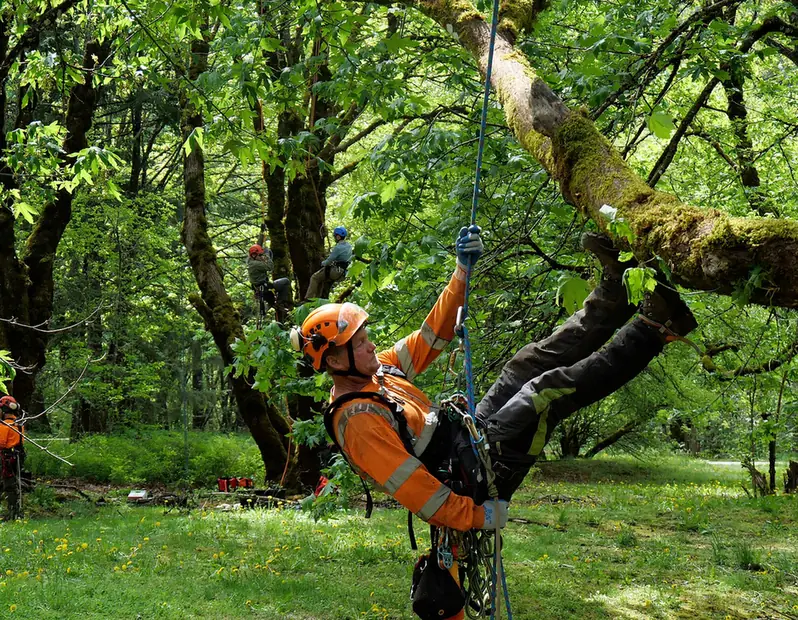
Felled whole where there is room to lay it out, otherwise dismantled from the top on ropes.
Read more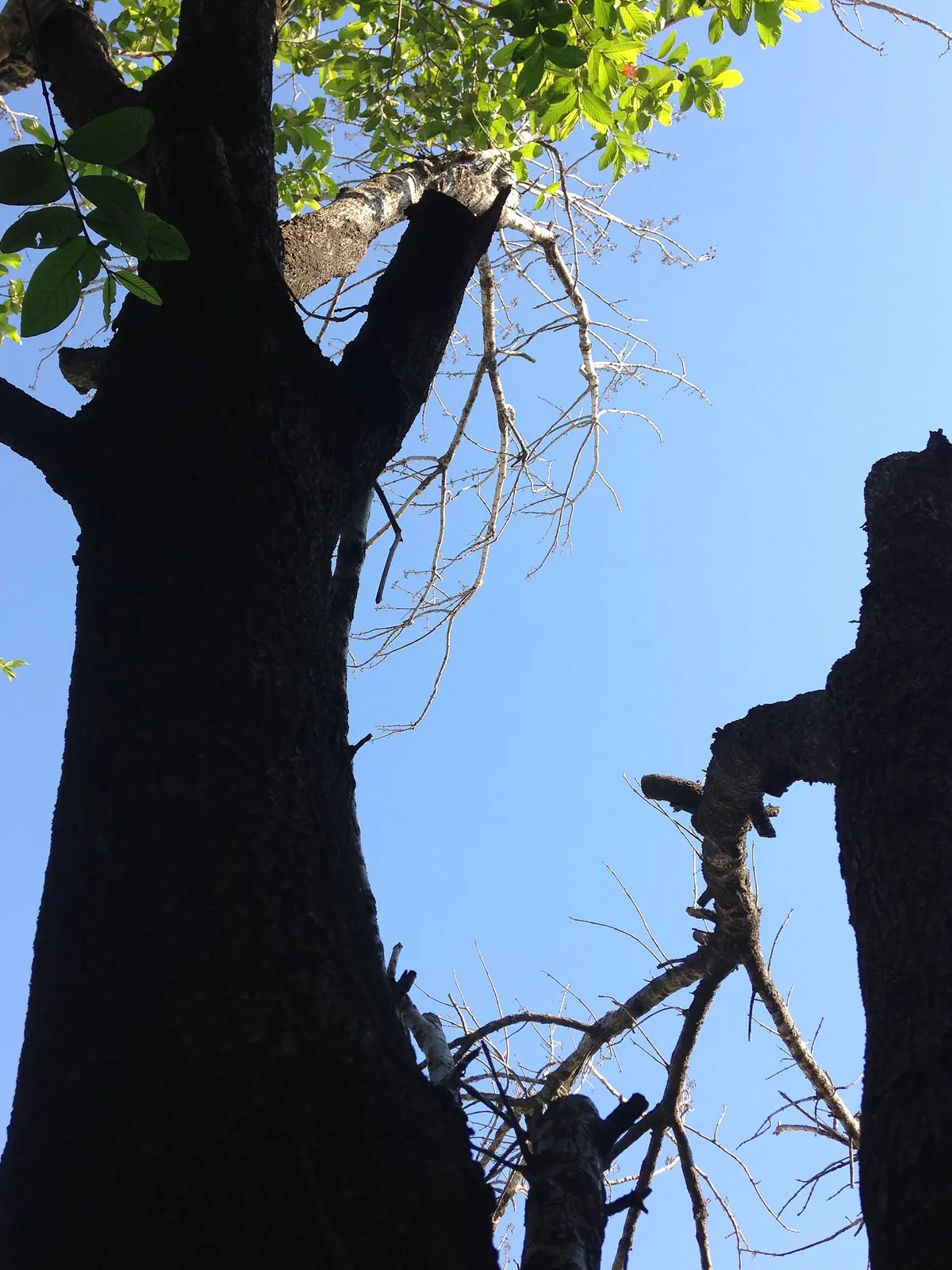
On the roof, across the drive, or sitting at a new angle since Tuesday. People and exits come first, the remaining danger second, tidiness a distant third.
Three conditions have to line up before the word hazard means anything: a defect, a reason that defect is worsening, and something valuable sitting in the fall zone.
What is resting on what, is anybody injured, and is a conductor in the picture. Those three answers set priority, not your place in the queue.
Trees on structures, trees blocking an exit, and anything tangled in lines get seen before anything cosmetic gets touched.
Ordinary rates on paper, agreed while the crane is still sitting on the yard rather than once it is set up in your garden.
Load comes off the structure, access is opened, and then the remaining hazard is dealt with properly rather than quickly.
After a storm the useful survey is done from the ground, slowly, looking up. These are the six that most often turn into a second call two weeks later, once the wind has found what the first storm loosened.
Raised soil or a lifted turf edge opposite the lean means the plate moved in this storm. Treat it as urgent.
Something snapped and lodged overhead drops when it decides to, not when you do. Park elsewhere and keep people out from under it.
New splitting running up out of a fork means the join has started to come apart. These do not heal shut again.
Large plates of bark on the ground under an ash usually means the wood underneath is already dry and brittle.
If a tree is sitting at a different angle than it was last month, something below ground changed. Angle is a symptom.
Storm-damaged limbs above where cars park are the cheapest problem to fix now and the most expensive to leave.
Storm week runs on the same price list as every other week. You get the scope and the number in writing before we start, in a form your adjuster can read, and we tell you honestly where you sit in the queue rather than guessing to keep you happy.
Whole trees and big limbs, and increasingly not the healthy ones. A Parsippany storm now arrives at a canopy that is sixty years old and carries a large amount of standing dead ash. Dead wood fails at lower wind speeds than live wood and it fails without bending first, which is why the calls cluster on the same few streets after every big blow. So the triage order is not the order the phone rang. Trees on structures, then blocked exits, then anything tangled in a line, then the rest of it once the street is safe to work in properly.
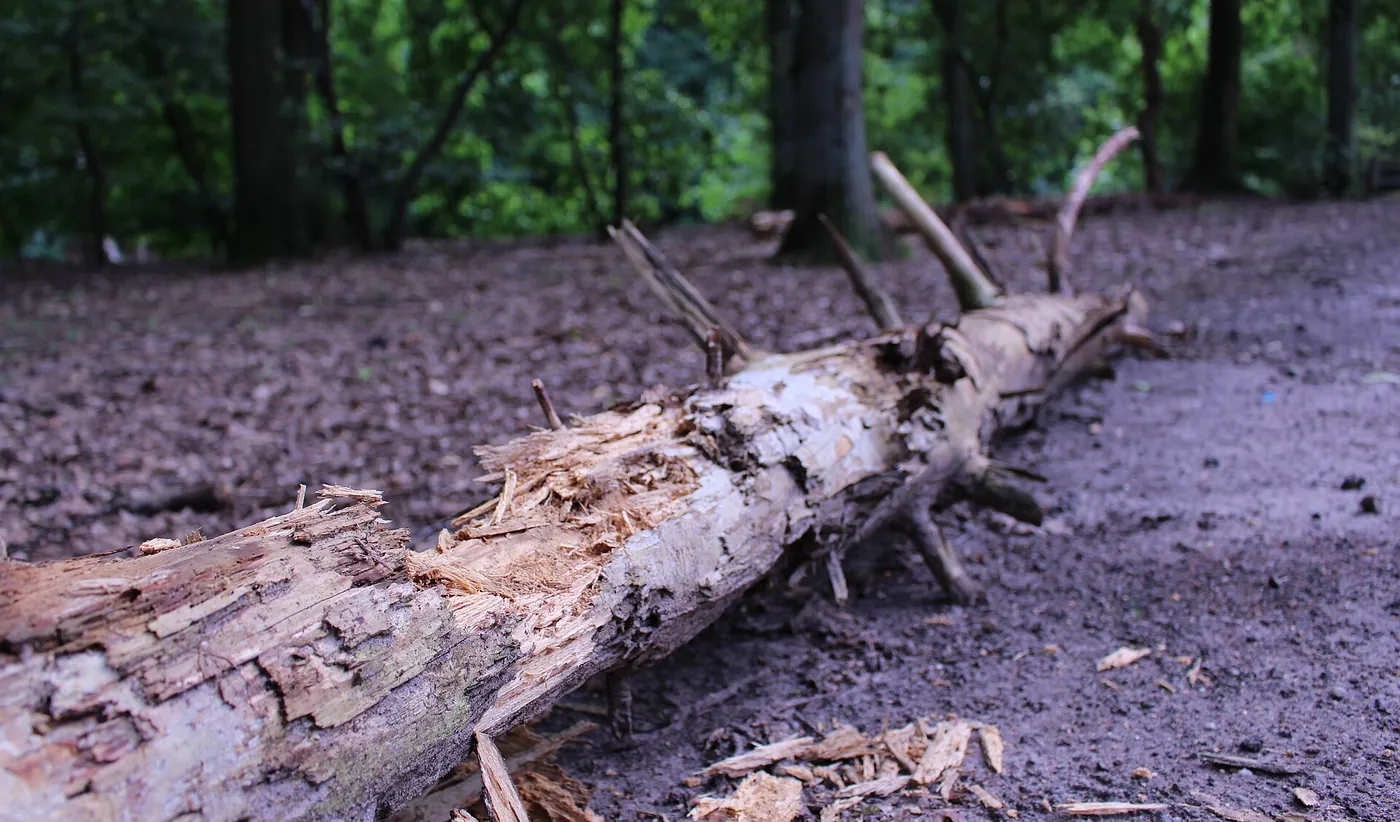
Everything a Morris County lot tends to need: takedowns, pruning, stumps, dead ash, storm callouts and clearing.
Felled whole where there is room to lay it out, otherwise dismantled from the top on ropes.
Read more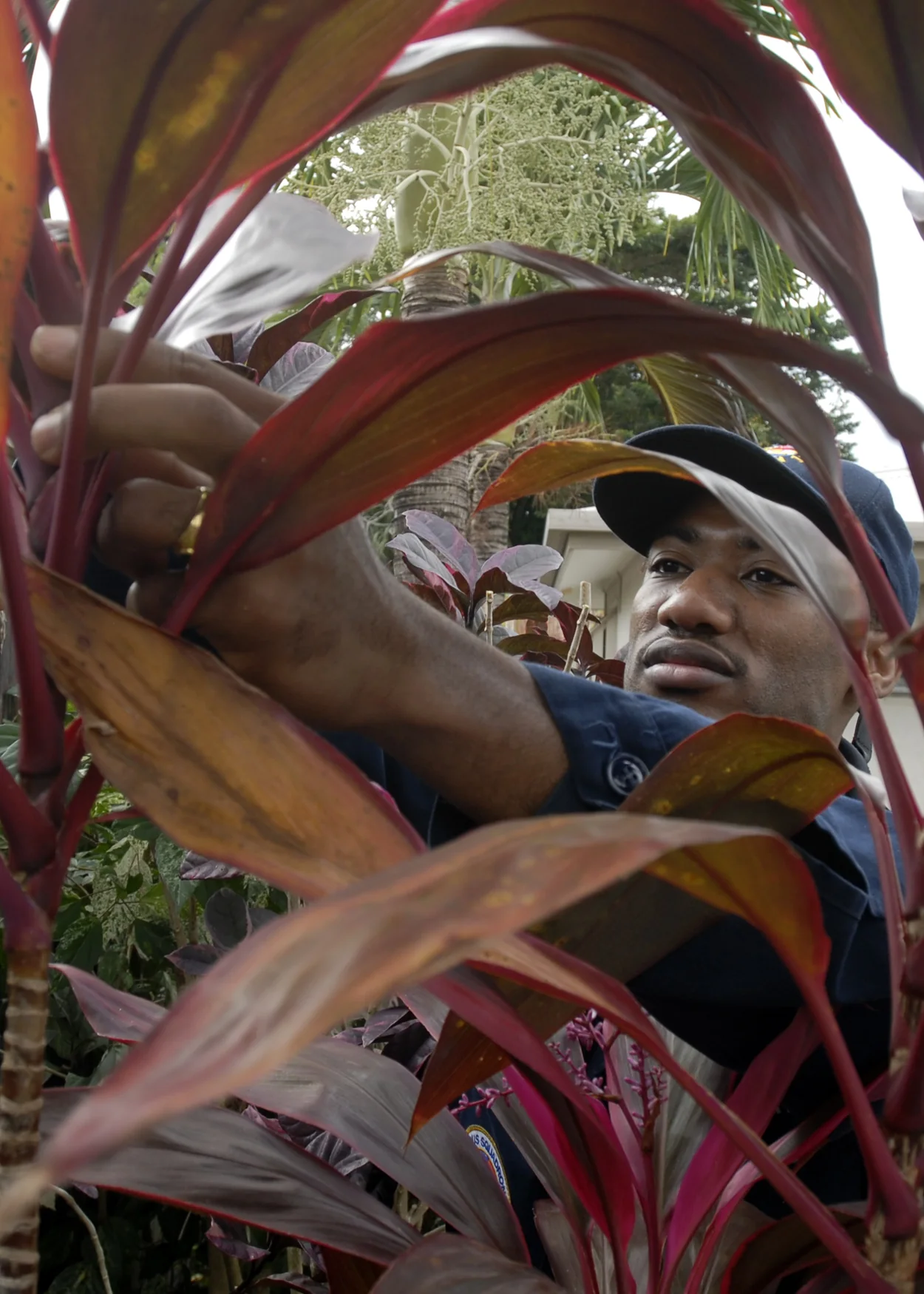
Thinning, raising, reduction and deadwooding, cut at the branch collar and never topped.
Read more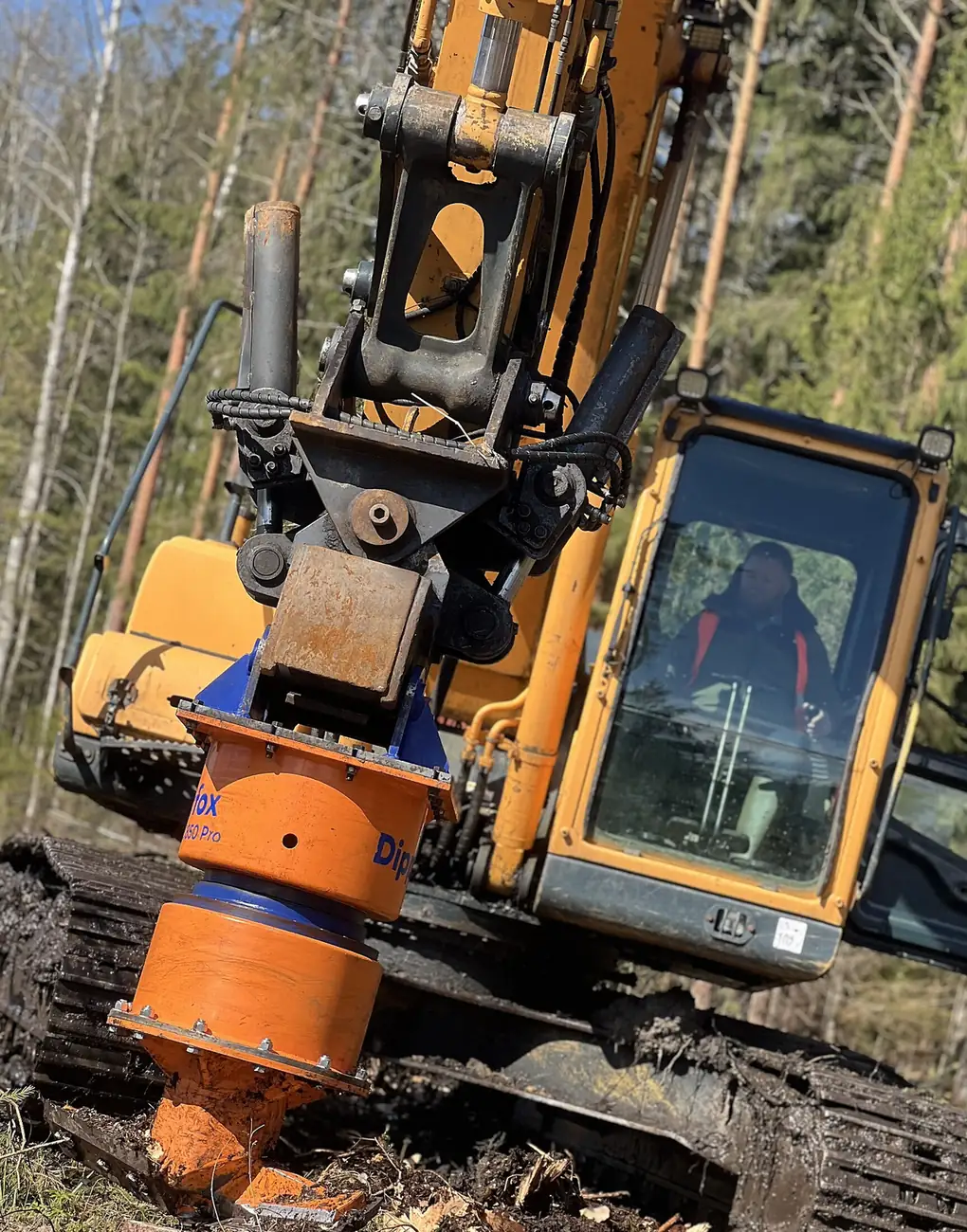
Chewed out below the surface until the ground will take turf, a shrub or a fence post.
Read moreTrees on structures and blocked driveways first, then the rest of the hazard, then cleanup.
Read more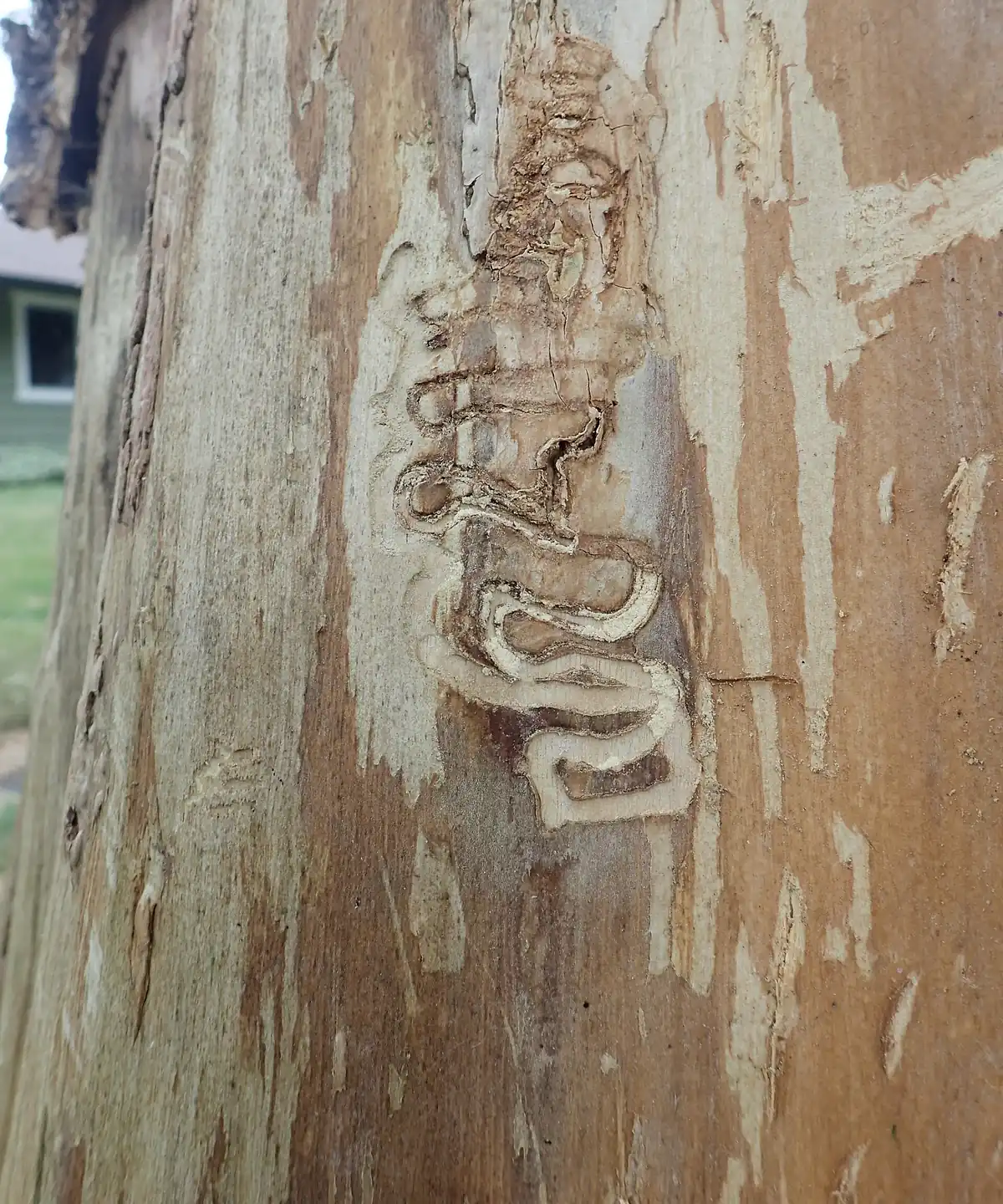
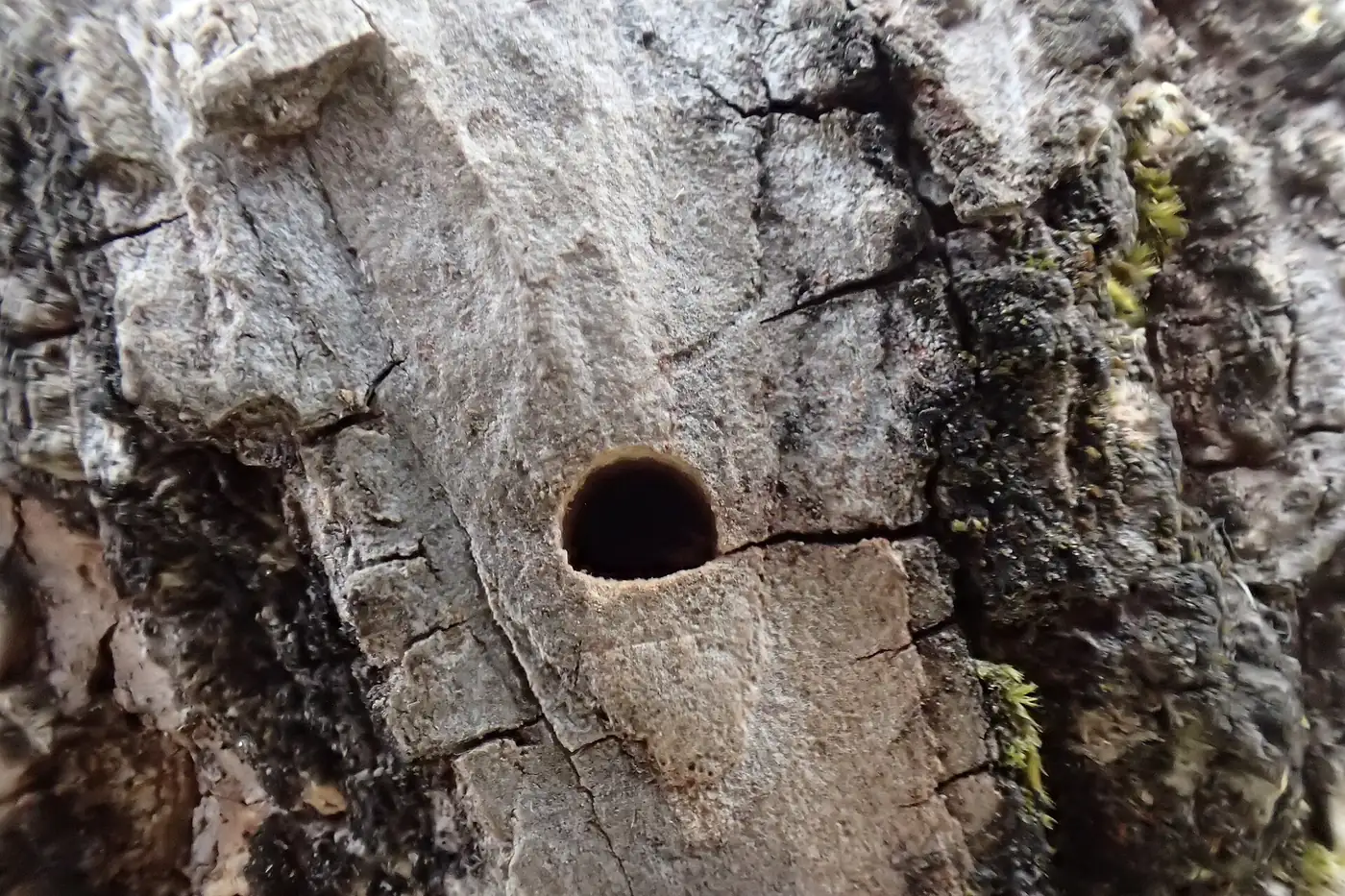
Standing dead ash, taken down the way brittle wood has to be taken down, not climbed.
Read more
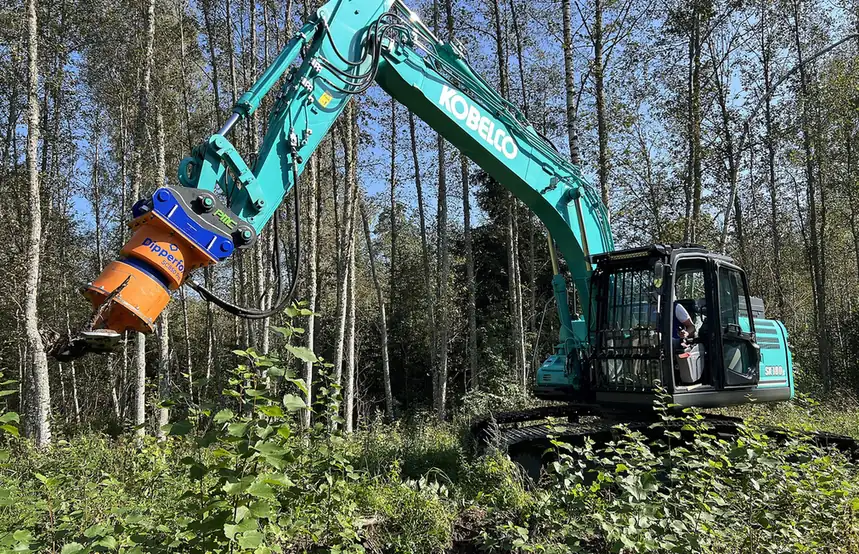
Brush, undergrowth and stems cleared to an agreed line, with the township threshold checked.
Read moreWe run Parsippany and the ring around it: Morris Plains, Denville and Boonton to the west, Montville north, East Hanover and Whippany south, Morristown and Randolph beyond. Same rates across the county, no travel line on the invoice.