
Tree Removal
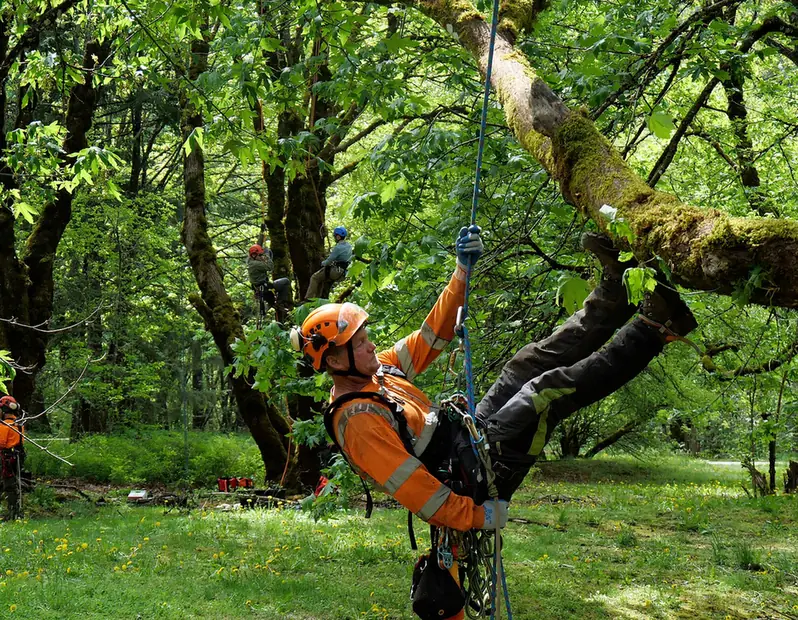
Felled whole where there is room to lay it out, otherwise dismantled from the top on ropes.
Read more
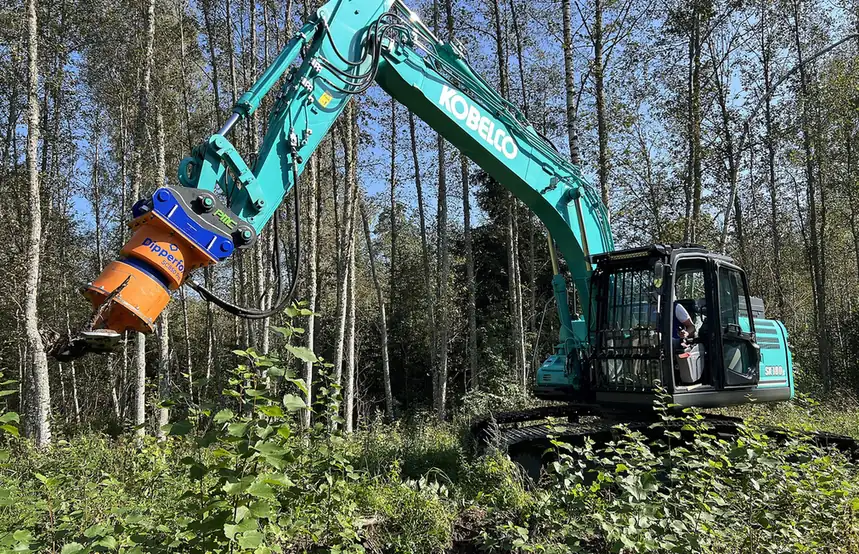
Brush, undergrowth and stems taken back to an agreed line, with the township threshold and the replacement rules checked before anything is cut.
Density, stem size, where the debris goes and how wet the ground is. Those four decide a clearing job, and none of them can be judged from a map.
Tell us the rough area, what it is being cleared for, and whether the boundary is already marked on the ground rather than only on a plan.
We walk it with you, mark what stays, count what crosses the township threshold, and flag anything that changes the method.
Written scope, boundary, keep-list and debris plan, with the price fixed before any machine is booked.
Cleared to the agreed line, debris handled the agreed way, and the ground left workable for whoever comes next.
What is growing there, and what you want afterwards, decide the approach. So does the ground, which around here holds water for longer than people expect.
| Approach | What it handles | Leaves behind | Best when | Watch for |
|---|---|---|---|---|
| Hand clearing | Brush and small stems | Minimal ground disturbance | Selective work around trees you are keeping | Slow, and priced in hours |
| Mechanised brush cutting | Dense undergrowth and saplings | A mulched surface layer | Open areas with no keep-list | Ruts if the ground is wet |
| Selective felling | Named trees above the brush | Stumps unless ground | A lot with mature trees worth keeping | Crosses the permit threshold quickly |
| Clear and grub | Everything, roots included | Bare, disturbed soil | Ground being built on or regraded | The biggest replacement obligation |
No stem comes down until the line and the keep-list are on paper, and until we have counted the stems against the township's five-tree threshold. That hour is free and it is the one that keeps a clearing job out of the municipal code.
A count, not a size. Parsippany works on a threshold of five or more live trees over three inches in diameter, measured a foot above the ground, in any one year. Removing two trees rarely touches it. Clearing a corner of a lot passes it almost immediately, and since 2024 many New Jersey towns have added a replacement obligation on top. Which means the first hour of a clearing job is not cutting. It is walking the boundary, marking what stays and counting what the threshold covers, because a permit sorted beforehand costs nothing and one sorted afterwards costs a great deal more than the trees did.
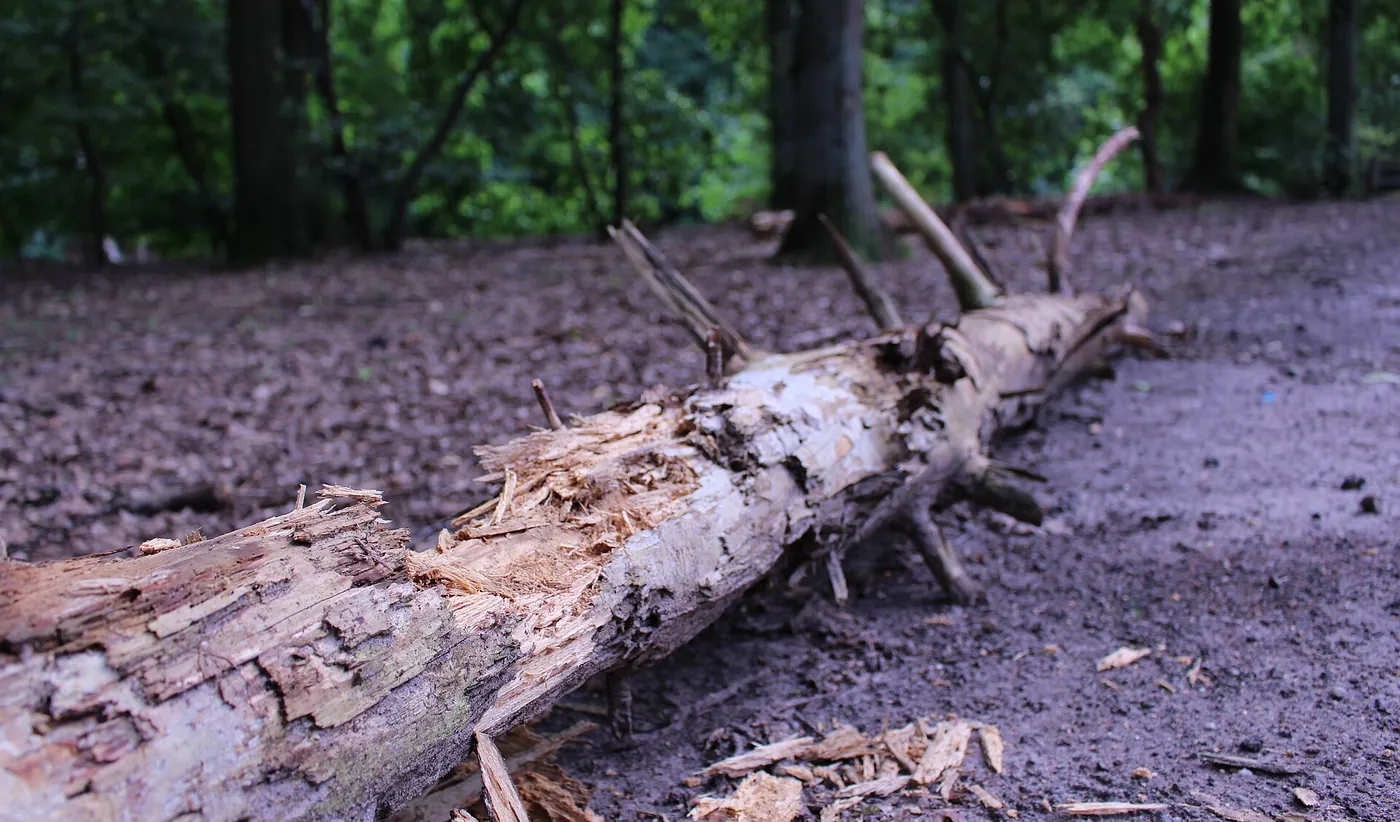
Everything a Morris County lot tends to need: takedowns, pruning, stumps, dead ash, storm callouts and clearing.
Felled whole where there is room to lay it out, otherwise dismantled from the top on ropes.
Read more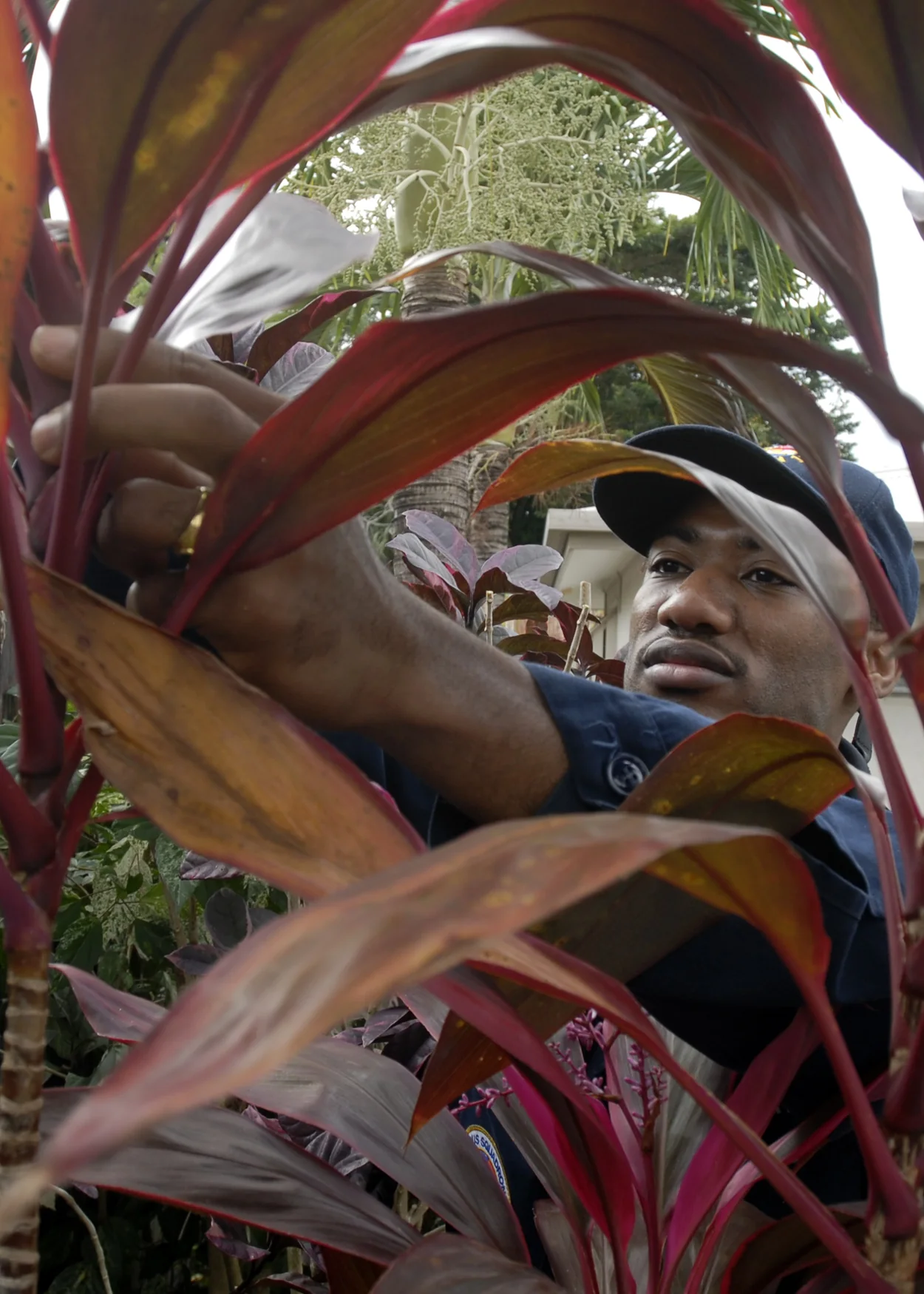
Thinning, raising, reduction and deadwooding, cut at the branch collar and never topped.
Read more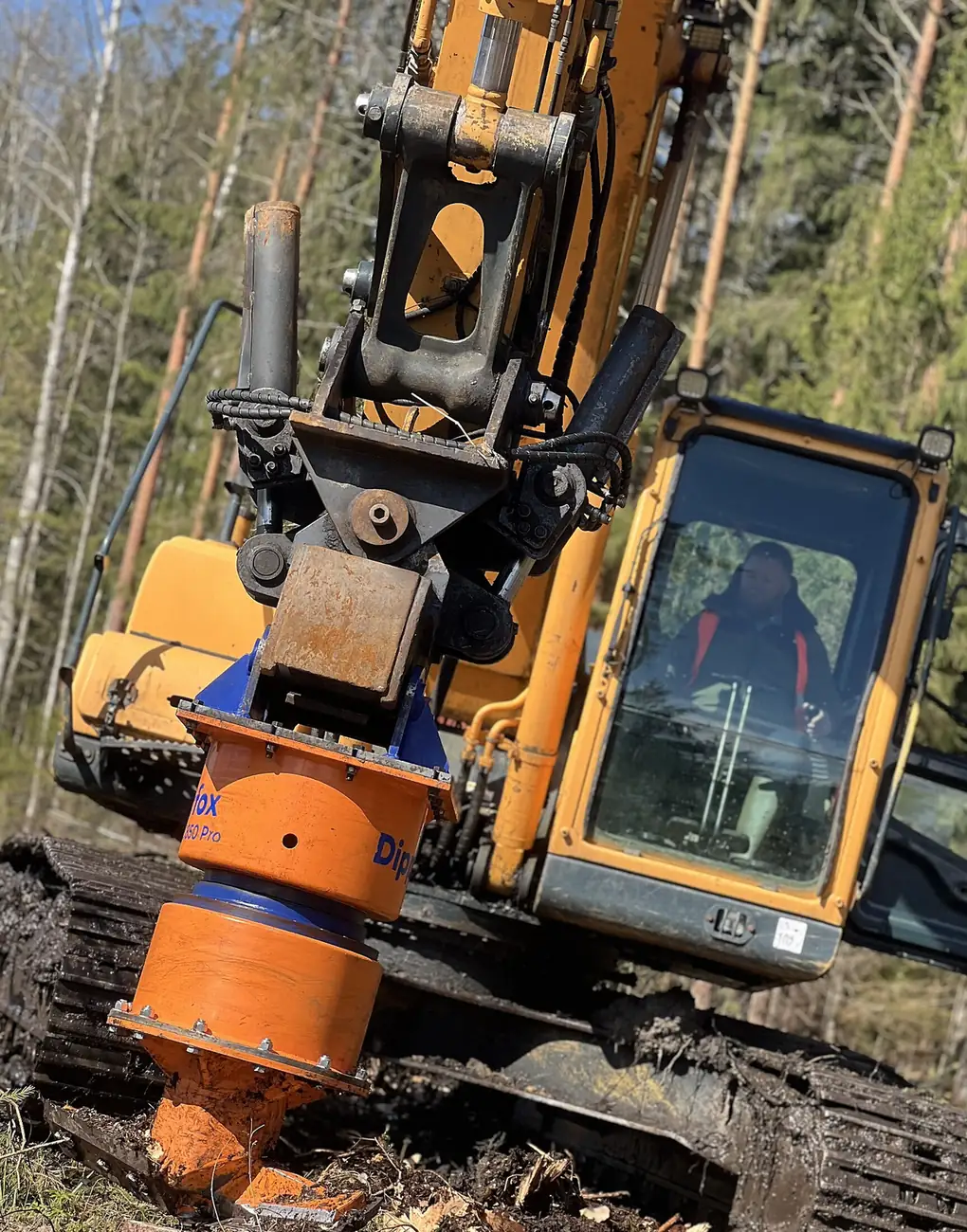
Chewed out below the surface until the ground will take turf, a shrub or a fence post.
Read more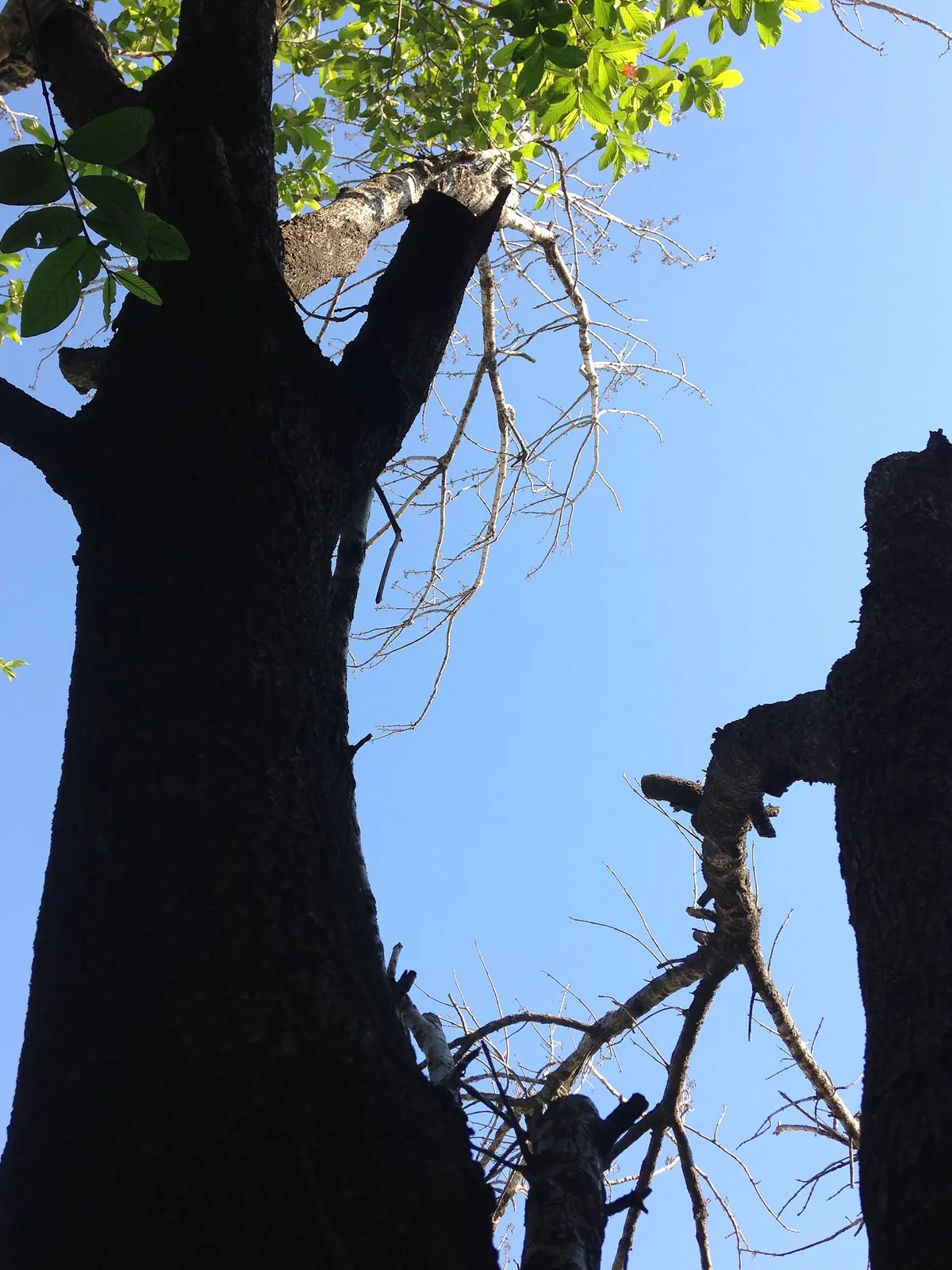
Trees on structures and blocked driveways first, then the rest of the hazard, then cleanup.
Read more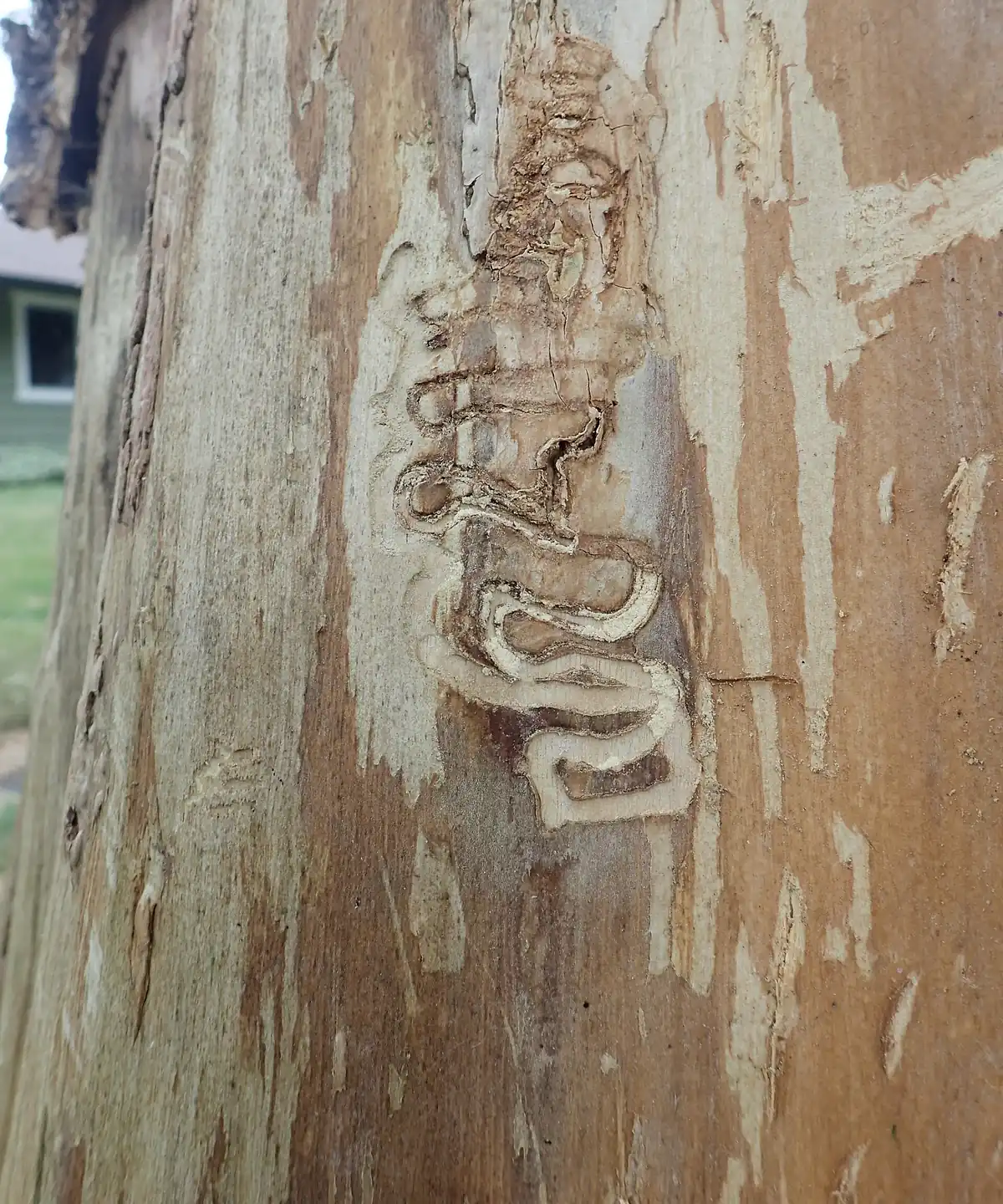
Standing dead ash, taken down the way brittle wood has to be taken down, not climbed.
Read moreBrush, undergrowth and stems cleared to an agreed line, with the township threshold checked.
Read moreWe run Parsippany and the ring around it: Morris Plains, Denville and Boonton to the west, Montville north, East Hanover and Whippany south, Morristown and Randolph beyond. Same rates across the county, no travel line on the invoice.